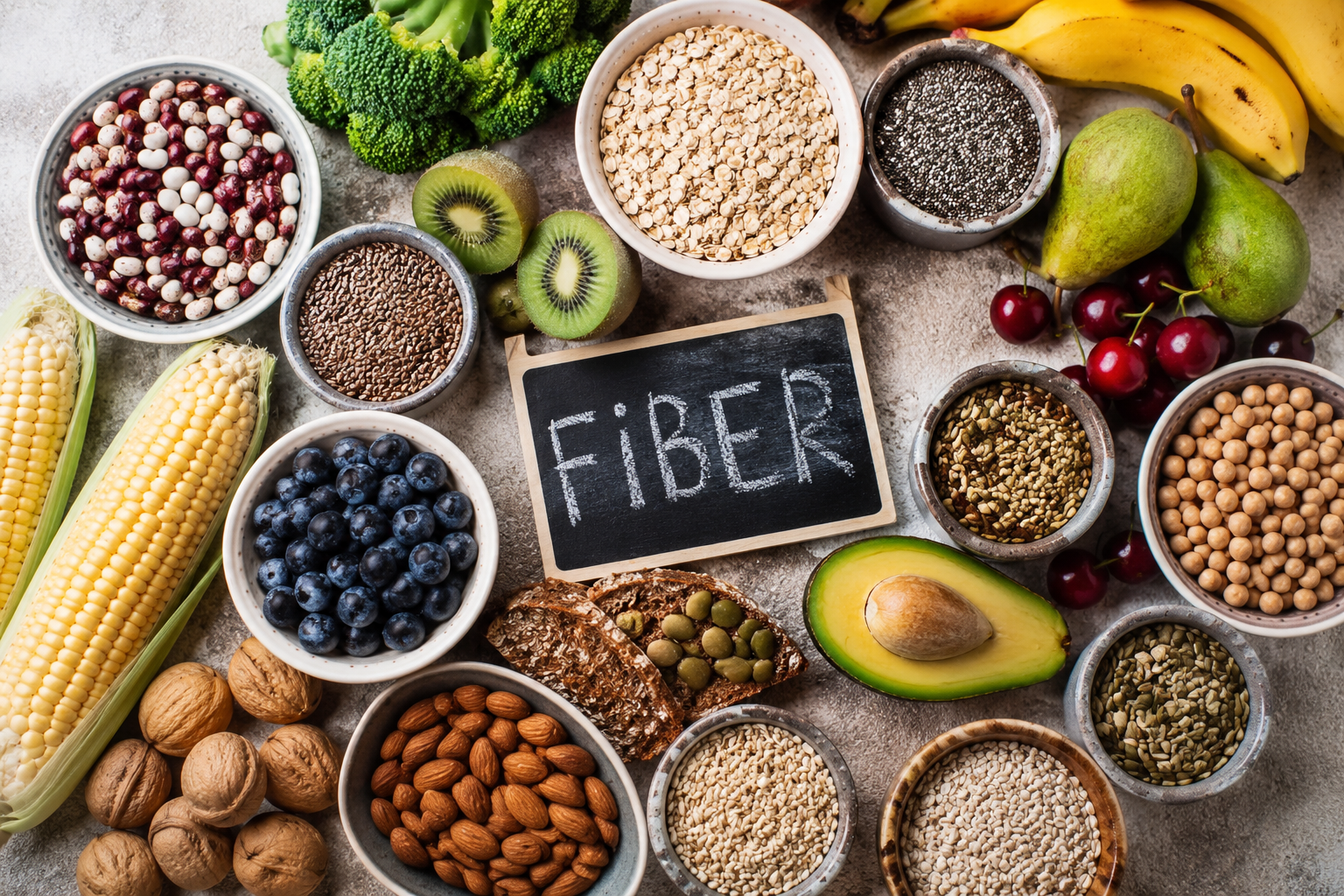
Every few months it seems like a new nutrition buzzword pops up. First it was keto, then intermittent fasting, then carnivore, then “high protein everything.” Now the latest trend making the rounds on social media is something called fibermaxxing.
I’ll admit, when I first heard the term, I rolled my eyes a little.
Do we really need another catchy name for eating healthy?
But the more I looked into it, the more I realized something interesting. While the name is new, the idea certainly isn’t. In fact, if you’ve been eating a whole-food, plant-based diet for any length of time, you’ve probably been fibermaxxing without even knowing it.
So what exactly is fibermaxxing, and why is everyone suddenly talking about it?
What Is Fibermaxxing?
Simply put, fibermaxxing is the intentional effort to eat more fiber-rich foods throughout the day.
That’s it.
No expensive supplements.
No detoxes.
No miracle powders.
No 30-day challenge that leaves you hungry and miserable.
Just more fruits, vegetables, beans, whole grains, nuts, and seeds.
It’s funny how often nutrition comes full circle. We spend years looking for the next big breakthrough only to discover that many of the healthiest habits have been sitting in the produce aisle all along.
Why Has Fiber Suddenly Become So Popular?
For years, fiber has been treated like the boring nutrient.
Protein got all the attention.
Healthy fats had their moment.
Carbohydrates became the villain.
Meanwhile, fiber quietly kept doing its job without much fanfare.
Now researchers are learning more about the gut microbiome, inflammation, heart disease, blood sugar regulation, and even mental health. One thing keeps showing up in study after study: people who eat more fiber tend to be healthier.
That doesn’t mean fiber is magic.
It simply means our bodies were designed to thrive on the kinds of foods that naturally contain it.
The Problem Most People Don’t Realize They Have
Here’s something that surprised me.
The average American eats only about half of the recommended daily amount of fiber.
Think about that.
Most people aren’t walking around with a protein deficiency, despite what social media might have you believe. But millions of people are missing out on one of the most important nutrients for long-term health.
When your diet revolves around processed foods, fast food, refined grains, sugary snacks, and convenience meals, fiber is usually one of the first things to disappear.
Whole plant foods, on the other hand, are packed with it.
Maybe Mother Nature knew what she was doing after all.
Fiber Does More Than Keep You Regular
Let’s get one myth out of the way.
When most people hear the word fiber, they think about digestion.
Yes, fiber helps keep things moving, but that’s only scratching the surface.
Research continues to show that eating enough fiber may help:
- Support a healthy gut microbiome.
- Lower LDL (“bad”) cholesterol.
- Improve blood sugar control.
- Keep you feeling full longer.
- Support a healthy weight.
- Promote heart health.
- Reduce the risk of type 2 diabetes.
- Feed the trillions of beneficial bacteria living in your digestive system.
Those bacteria aren’t just passive passengers. They produce compounds that influence everything from your immune system to inflammation and even your mood.
That’s a pretty impressive résumé for something found in beans and broccoli.
Why Plant-Based Eaters Have an Advantage
One of the biggest questions people ask when considering a plant-based diet is,
“Where do you get your protein?”
Maybe we should be asking another question instead.
“Where do you get your fiber?”
Animal products contain virtually no fiber.
None.
That steak?
Zero.
Chicken breast?
Zero.
Eggs?
Zero.
Cheese?
Zero.
Fiber only comes from plants.
That’s one reason people who transition to eating more whole plant foods often notice changes they weren’t expecting. They have more energy, feel fuller after meals, and many discover their digestion improves dramatically.
It’s not because plants are magical.
It’s because they’re giving the body nutrients it wasn’t getting enough of before.
So, How Do You Fibermax?
The good news is you don’t need to count every gram.
You don’t need another app on your phone.
And you definitely don’t need to buy expensive “high-fiber” products with flashy labels.
Instead, think about adding rather than subtracting.
Add beans to your salad.
Add berries to your oatmeal.
Choose brown rice instead of white.
Snack on an apple instead of chips.
Throw some lentils into soup.
Sprinkle ground flaxseed on your breakfast.
Before long, those little changes add up.
One Important Tip
If your current diet is low in fiber, don’t go from zero to sixty overnight.
Your digestive system needs a little time to adjust.
Increase your fiber gradually over a few weeks, drink plenty of water, and keep moving.
Your gut bacteria will adapt, and they’ll probably thank you for it.
The Bigger Picture
One thing I’ve learned over the years is that people often look for health in complicated places.
We’re constantly searching for the newest supplement, the newest diet, or the newest superfood.
But what if better health is less about finding something new and more about returning to foods we’ve been overlooking?
Fibermaxxing isn’t revolutionary.
It’s a reminder.
A reminder that fruits, vegetables, beans, oats, lentils, whole grains, nuts, and seeds have been quietly supporting human health long before anyone gave it a catchy name.
Sometimes the best nutrition advice isn’t flashy.
It’s simply eating more real food.
Final Thoughts
If you’ve been eating a whole-food, plant-based diet, congratulations.
You’ve been ahead of this trend all along.
If you’re just getting started, don’t worry about perfection.
Start by adding one extra serving of beans this week.
Choose fruit instead of a processed snack.
Swap refined grains for whole grains when you can.
Small changes have a way of becoming lasting habits.
And if a trendy term like fibermaxxing encourages more people to fill their plates with colorful plant foods, then maybe it’s not such a silly word after all.
After all, healthy eating doesn’t have to be complicated.
Sometimes it’s as simple as eating more plants.
Before You Go…
I’m curious—have you noticed a difference since adding more fiber-rich plant foods to your diet? Maybe it was better digestion, more energy, feeling fuller between meals, or something else entirely.
Leave a comment below and share your experience. Your story might be exactly what someone else needs to hear as they begin their own plant-based journey.