A new study published this month in Neurology — the journal of the American Academy of Neurology — found that the quality of a plant-based diet matters just as much as whether you follow one at all when it comes to protecting your brain from dementia.
This one caught my attention because we hear “eat more plants” constantly. But this research draws a sharp line between plant-based diets built on whole foods and those built on processed ones.
What the Study Found
Researchers looked at three types of plant-based eating patterns across a large group of adults:
The overall plant-based diet simply prioritizes plants over animal products, without distinguishing between quality. Think of this as “I mostly eat plants” without much thought about what kind.
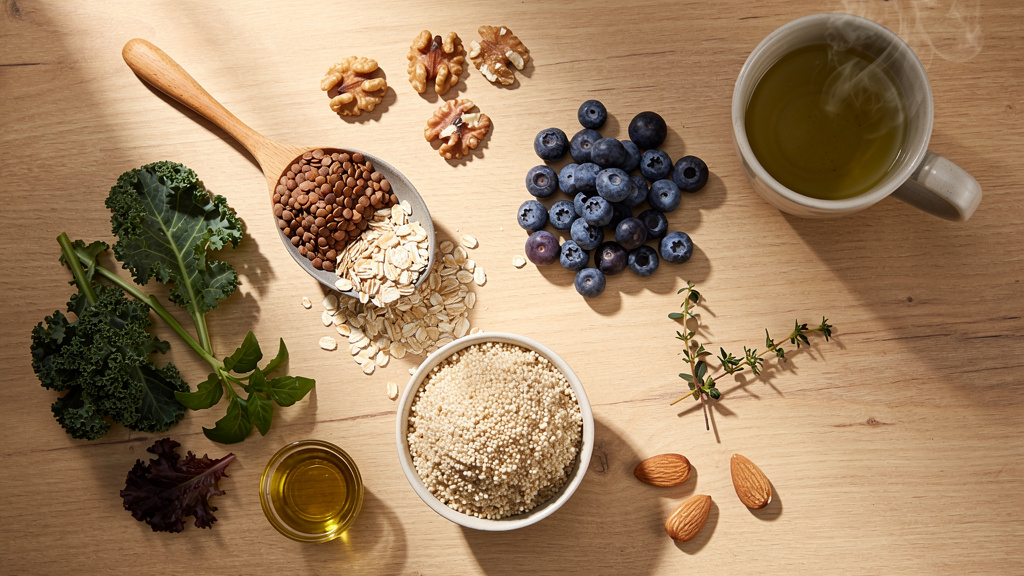
The healthful plant-based diet emphasizes whole grains, fruits, vegetables, nuts, legumes, and tea or coffee. Real, minimally processed food.
The unhealthful plant-based diet leans on refined grains, fruit juices, potatoes, and added sugars. Still technically plant-based. Still technically not great.
The finding? People following the higher-quality, whole-food version had a meaningfully lower risk of Alzheimer’s disease and related dementias compared to those following the lower-quality version. Just being “plant-based” wasn’t enough. What you eat within that framework makes the difference.
Why This Matters Right Now
There’s a growing segment of the grocery store dedicated to plant-based junk food. Vegan cookies. Plant-based chicken nuggets made from a dozen processed ingredients. Ultra-processed “meatless” burgers designed to taste like fast food.
None of that is inherently bad. But if you’re eating plant-based partly for long-term health — and specifically for brain health — this study is a useful reminder that a bag of vegan chips and a bowl of lentil soup are not the same thing, even though both are technically plant-based.
The Practical Takeaway
You don’t need to be perfect. But lean toward whole, recognizable foods most of the time.
Foods that scored well in the “healthful” category:
Whole grains (brown rice, oats, quinoa, farro), legumes (chickpeas, lentils, black beans, pinto beans), vegetables and leafy greens, fruits (whole, not juiced), nuts and seeds, and tea or coffee.
Foods that fell into the “unhealthful” category:
Refined grains (white bread, white pasta), fruit juices, potatoes (especially fried), and anything with added sugars.
If you’re cooking from whole ingredients most nights, you’re already on the right side of this research. If you’re leaning on processed convenience foods labeled “plant-based,” it might be worth shifting a few meals per week toward the real stuff.
Source: Park, S.-Y., et al. (2026). Plant-Based Dietary Patterns and Risk of Dementia. Neurology, April 8, 2026. Published by the American Academy of Neurology.*

Every meal in Plantiful Meal is designed around whole, recognizable ingredients. We don’t use fake meats or heavily processed substitutes as the base of a meal. The protein comes from chickpeas, lentils, tofu, tempeh, beans. The flavor comes from real spices, herbs, and fresh produce.
That’s not a marketing angle. It’s just how we built it. And research like this reaffirms that approach.
If you want to start eating more whole-food, plant-based dinners without having to plan everything yourself, give it a try. Fresh meals every week. Shopping list built automatically. 7-day free trial.